• Blog
  • Account
  • Checkout
My True Well
  • Beauty & Self-Care
  • Kids & Baby
  • Fitness & Performance
  • Supplements
  • Recovery & Support
  • Lifestyle

Shop By Category:

  • Beauty & Self-Care
  • Kids & Baby
  • Fitness & Performance
  • Supplements
  • Recovery & Support
  • Lifestyle

Shop By Brand:

  • EELHOE
  • West Month
  • Wellneum
  • Puressentiel
  • Femfresh
  • Thpensai
  • Bosley
  • CRUSH COS
  • Hairworthy
  • Clarins
  • OCEAURA
  • Mama Mio
  • NO
  • Phyto
  • Todicamp
  • Wiieey
  • Bellisso
  • Z Zealthy Life
  • Okeny's
  • Wingo
  • Simply8
  • Livs
  • Bonsai Kids
  • Noodle & Boo
  • Oralhoe
  • Paul Mitchell
  • XceeFit
  • VEVOR
  • Googeer
  • SNP
  • BetterYou
  • Vitamized
  • Ximonth
  • Jaysuing
  • YouthCare Lab
  • South Moon
  • Vichy
  • Blackwood For Men
  • Pharmlitalia
  • Clav
  • INNATUS
  • Ecoco
  • OUHOE
  • Unboxme Gifts
  • Moraz
  • North Moon
  • PLSTPFT
  • aniise
  • Instaskincare
  • Hoegoa
  • Soaddicted
Home > Blog > Plant Protein vs Whey Protein: Understanding the Differences

Plant Protein vs Whey Protein: Understanding the Differences

Plant Protein vs Whey Protein: Understanding the Differences
by My True Well
March 12th, 2026


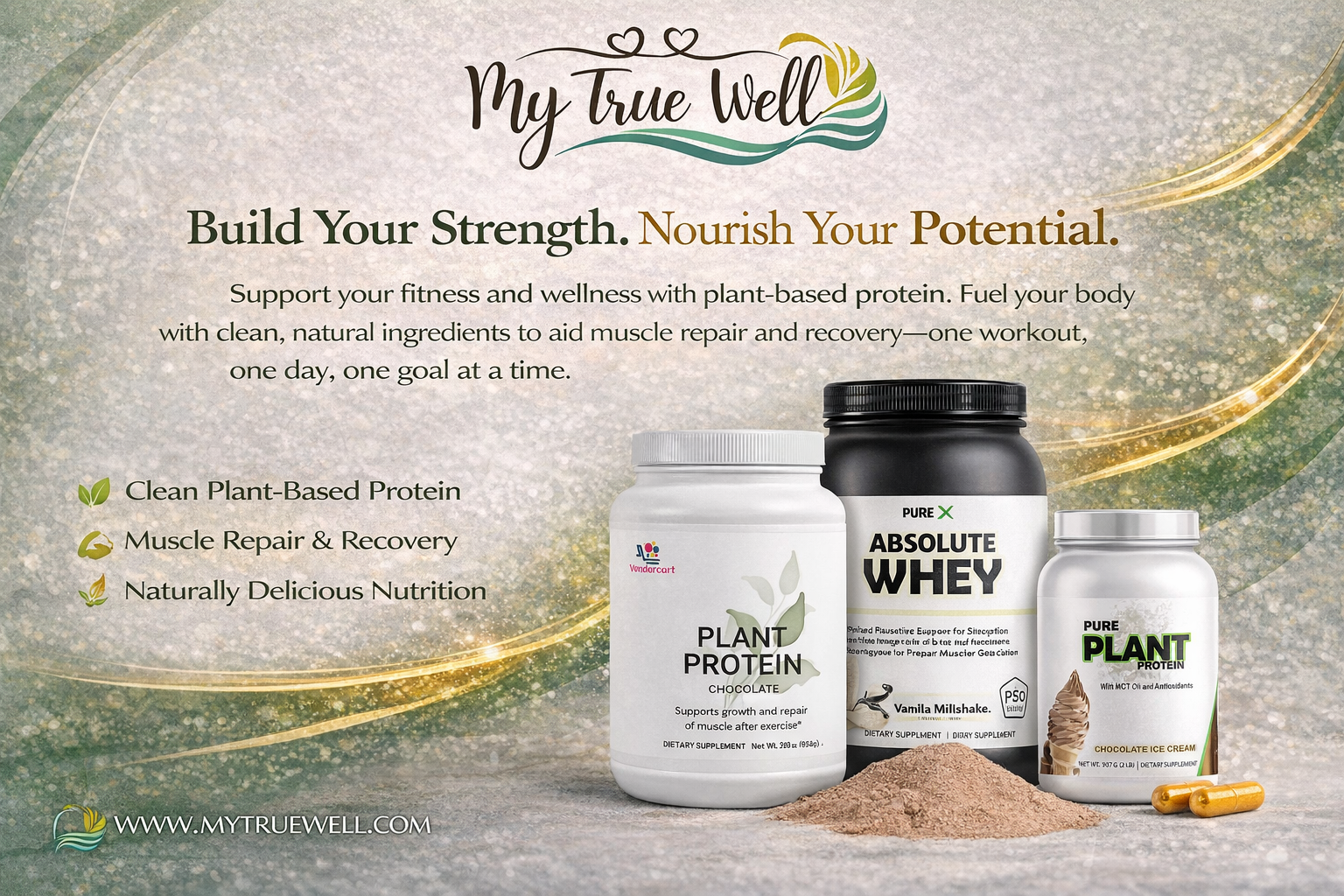
Protein plays an important role in supporting muscle recovery, energy, and overall wellness. Two popular options in the supplement world are plant-based protein and whey protein. While both provide protein support, they differ in their source, digestion, and nutritional profile.

Understanding these differences can help you choose the option that fits your lifestyle and wellness goals.

What Is Whey Protein?

Whey protein is derived from milk during the cheese-making process. It contains all nine essential amino acids, which makes it a complete protein source.

Whey protein is often chosen for:

  • Post-workout recovery

  • Muscle support

  • Quick absorption

  • High amino acid content

Because it is dairy-based, it may not be suitable for individuals who are lactose intolerant or prefer plant-based options.

What Is Plant-Based Protein?

Plant protein supplements are made from sources such as peas, rice, hemp, or soy. Many modern plant protein blends combine several sources to create a complete amino acid profile.

Plant protein is often chosen for:

  • Dairy-free nutrition

  • Easier digestion for some individuals

  • Vegan or plant-based diets

  • Added fiber and plant nutrients

These proteins can provide balanced nutrition while supporting a variety of dietary preferences.

Key Differences Between Plant and Whey Protein

Whey ProteinPlant Protein
Derived from dairyDerived from plants
Fast absorptionModerate digestion speed
Complete amino acid profileOften blended for full amino acids
Popular for post-workoutPopular for plant-based lifestyles

Both options can support a balanced wellness routine depending on personal preferences and dietary needs.

Which Protein Should You Choose?

The best choice depends on your lifestyle and goals.

You may prefer whey protein if you want rapid absorption and traditional workout recovery support.

You may prefer plant-based protein if you follow a vegan diet, have dairy sensitivities, or prefer plant-based nutrition.

Important Disclaimer

The information provided in this article is for educational purposes only. My True Well does not provide medical advice, diagnosis, or treatment. Always consult a healthcare professional before making changes to your diet or supplement routine.

Tags

  • Fitness & Performance

Information

  • About Us
  • Contact Us
  • Shipping & Returns
  • Privacy Policy
  • Terms & Conditions
  • FAQ

My Account

  • My Account
  • Order History
  • Track Orders
  • Address Book

Connect With Us

  • Twitter
  • Facebook
  • Pinterest
  • Instagram
  • Youtube

Secure Payments

© My True Well. All Rights Reserved.
Our website uses cookies to make your browsing experience better. By using our site you agree to our use of cookies. Learn More I Agree
× What Are Cookies As is common practice with almost all professional websites this site uses cookies, which are tiny files that are downloaded to your computer, to improve your experience. This page describes what information they gather, how we use it and why we sometimes need to store these cookies. We will also share how you can prevent these cookies from being stored however this may downgrade or 'break' certain elements of the sites functionality. For more general information on cookies see the Wikipedia article on HTTP Cookies. How We Use Cookies We use cookies for a variety of reasons detailed below. Unfortunately in most cases there are no industry standard options for disabling cookies without completely disabling the functionality and features they add to this site. It is recommended that you leave on all cookies if you are not sure whether you need them or not in case they are used to provide a service that you use. Disabling Cookies You can prevent the setting of cookies by adjusting the settings on your browser (see your browser Help for how to do this). Be aware that disabling cookies will affect the functionality of this and many other websites that you visit. Disabling cookies will usually result in also disabling certain functionality and features of the this site. Therefore it is recommended that you do not disable cookies. The Cookies We Set
Account related cookies If you create an account with us then we will use cookies for the management of the signup process and general administration. These cookies will usually be deleted when you log out however in some cases they may remain afterwards to remember your site preferences when logged out. Login related cookies We use cookies when you are logged in so that we can remember this fact. This prevents you from having to log in every single time you visit a new page. These cookies are typically removed or cleared when you log out to ensure that you can only access restricted features and areas when logged in. Form related cookies When you submit data to through a form such as those found on contact pages or comment forms cookies may be set to remember your user details for future correspondence. Site preference cookies In order to provide you with a great experience on this site we provide the functionality to set your preferences for how this site runs when you use it. In order to remember your preferences we need to set cookies so that this information can be called whenever you interact with a page is affected by your preferences.
Third Party Cookies In some special cases we also use cookies provided by trusted third parties. The following section details which third party cookies you might encounter through this site.
This site uses Google Analytics which is one of the most widespread and trusted analytics solution on the web for helping us to understand how you use the site and ways that we can improve your experience. These cookies may track things such as how long you spend on the site and the pages that you visit so we can continue to produce engaging content. For more information on Google Analytics cookies, see the official Google Analytics page. We also use social media buttons and/or plugins on this site that allow you to connect with social network in various ways. For these to work, the social networks may set cookies through our site which may be used to enhance your profile on their site, or contribute to other purposes outlined in their respective privacy policies.